The shop
About
One person, a small number of pieces a year, and a standard that has not moved since the first one.
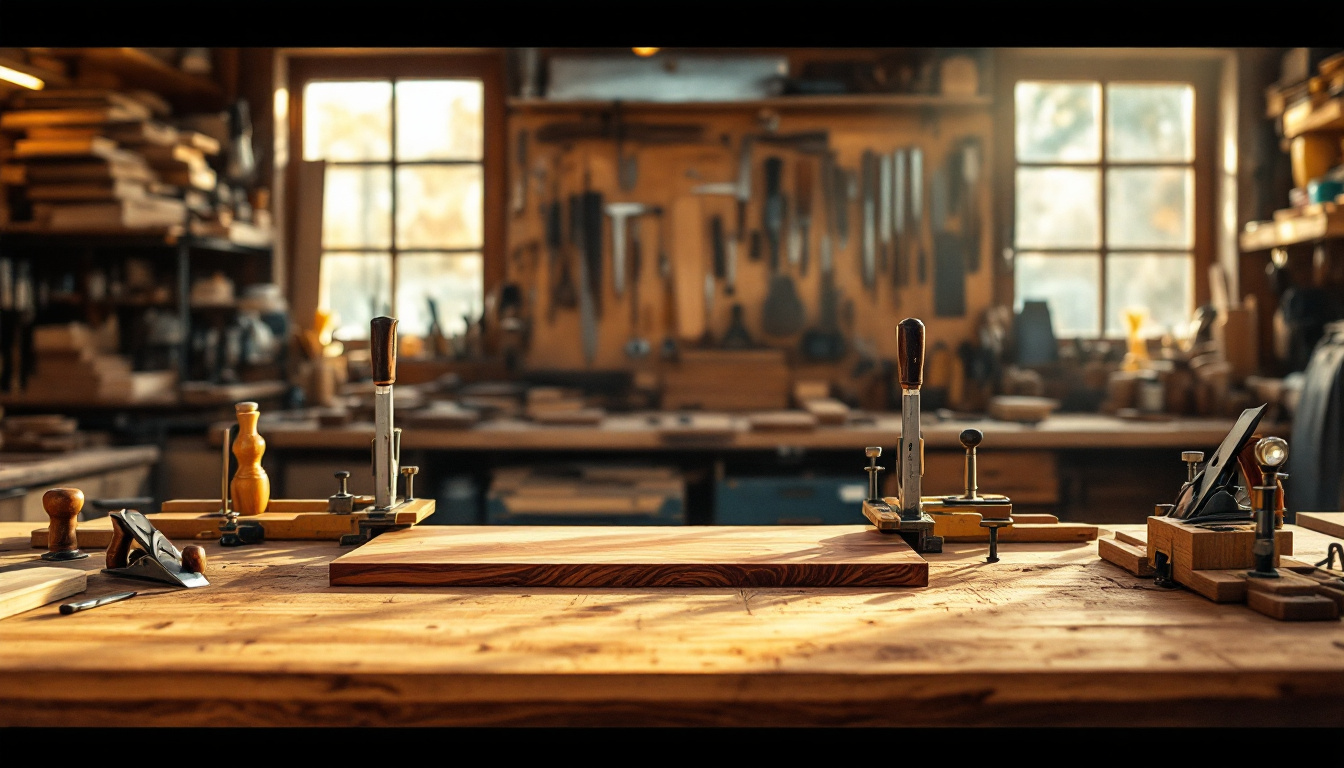
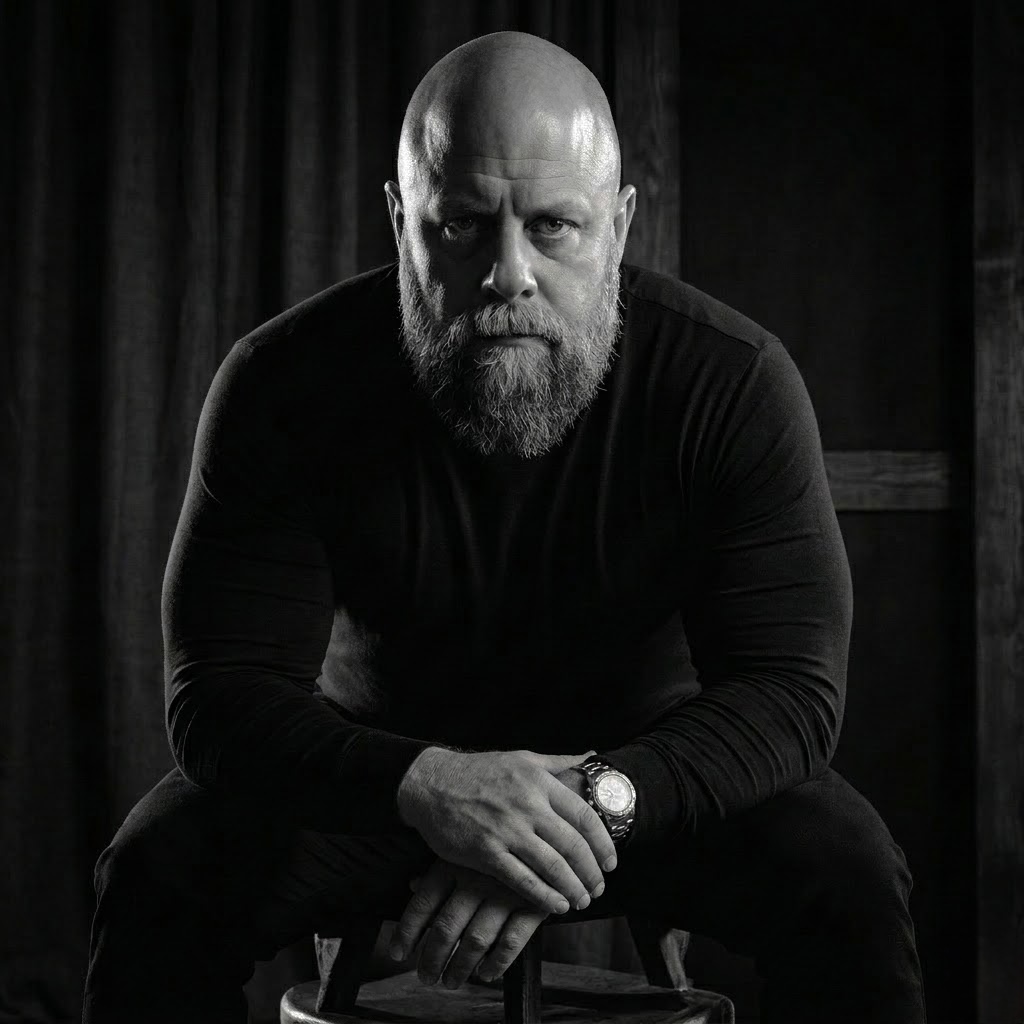
Founder · Maker
The maker
One person, at a bench.
I spend most of my working life as an architect and engineer. I am the founder and president of Renkara Media Group, where I built AccelaStudy — one of the first five hundred apps in Apple’s App Store, still running after more than fifteen years — and invented AVIAN, an adaptive learning framework now pending before the United States Patent and Trademark Office. I run a consulting practice serving Fortune 1000 clients, and I hold professional AWS certifications as a Solutions Architect and DevOps Engineer.
None of that is why this exists. Software is weightless. You can ship it a thousand times and never once feel it in your hands, and nothing you write this year will still be running in a hundred. I wanted to make something that would.
So Burl & Beam is the other half of the same instinct: the same interest in how a thing is put together, aimed at material that pushes back. Wood does not care how clever the plan was. It moves, it splits, it has a grain direction and an opinion. You either respect that or you find out.
I build these pieces myself, one at a time, on three acres in Texas. The editions are small because one person made them and because the burl runs out. That is the whole business model, and I am not looking to change it.
The name
Beauty that had to survive something, joined to structure that intends to.
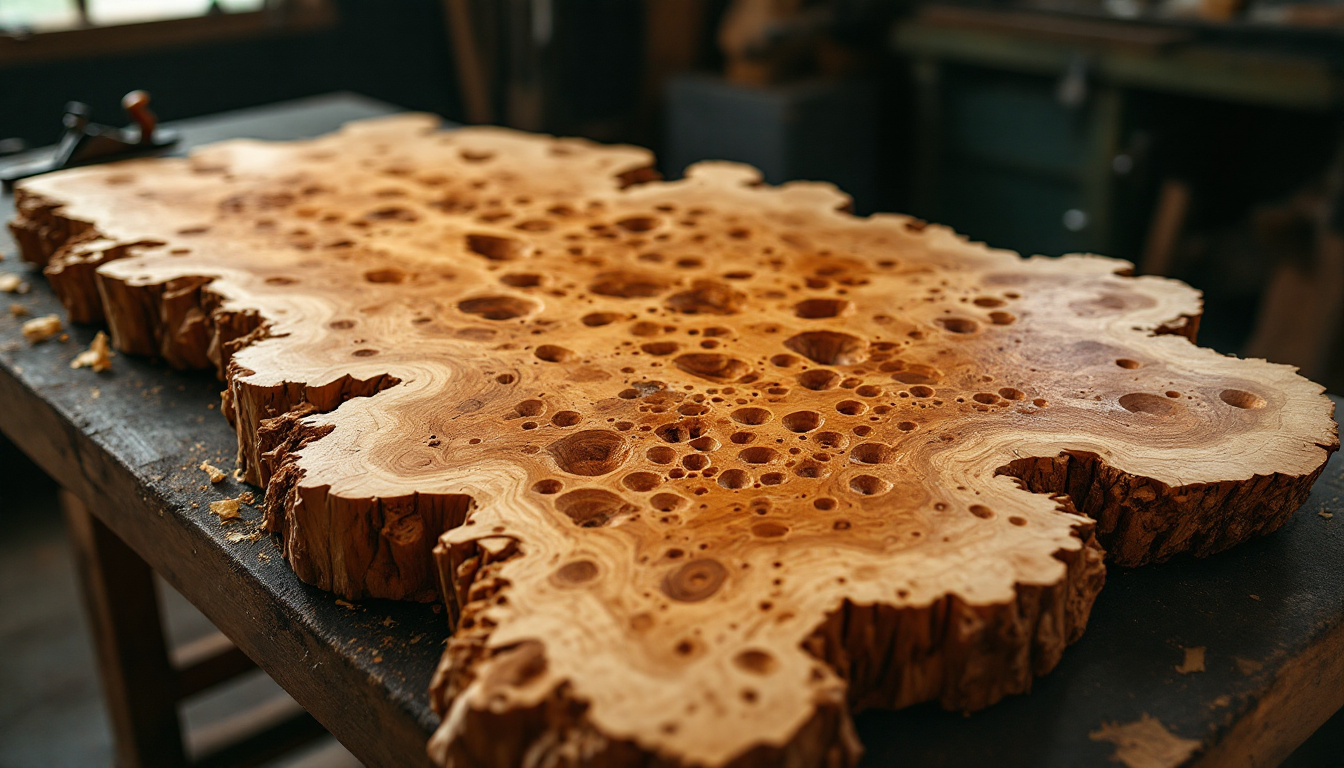
A burl is a growth that forms where a tree has been hurt. Injury, infection, insects, a bad season. The tree responds by growing back over the wound, and the grain inside turns in on itself into something dense, chaotic and unrepeatable. It is the most beautiful wood a tree will ever produce, and it only exists because something went wrong.
A beam is the least romantic thing in a building and the one everything else depends on. It is straight, it is sized for load, and it is judged on one question: is it still holding?
Furniture usually picks a side. It is either beautiful and delicate, or sturdy and dull. This shop refuses the choice. Every piece is figured enough to stop someone across a room and built well enough that stopping them is still happening in a hundred years.
Materials
What comes into the shop
Oak, walnut and maple do most of the work. They are the three hardwoods that reward being worked properly and punish being rushed, and between them they cover nearly everything a piece needs to do structurally.
Dense exotic species come in when a design calls for hardness, weight or a color the domestic woods cannot give. They are harder on tools, less forgiving of error, and worth it.
Burls are bought when they appear, not when they are needed. A good one waits in the rack until the right piece comes along. That is why editions are capped and why a particular figure can never be ordered.
Method
Three standing rules.
-
No fastener is visible on a finished piece
Joinery does the work wherever joinery can. Where hardware is structurally necessary it is concealed inside the assembly or buried and capped with material cut from the same board, so the repair is invisible and the grain still runs through. The only metal you should ever see is metal put there to be looked at.
-
The material decides the design
Boards are chosen before drawings are finished. A burl that will not make a good top does not become one, and a piece is redrawn around the wood rather than the wood being forced to the piece. This is slower and it is the whole reason the work looks the way it does.
-
Epoxy is structure before it is color
Burl is full of voids, and left alone it moves and eventually fails. Resin fills those voids, stabilizes the panel and locks it into one continuous body. Pigment makes it beautiful; the chemistry is what makes the piece survive a century of central heating.
Editions
Why the numbers are small
Editions run to a hundred for tables and three hundred for smaller objects. Those ceilings are not marketing. They are the largest numbers one person can make to this standard without the standard slipping.
Most editions will finish short of their cap, because the material runs out first. When an edition closes, the pattern and the tooling are retired and that piece is not made again.
Every piece is numbered, signed and recorded against the person it was built for, with its documentation, so that in eighty years somebody can still find out exactly what they have inherited.
Commissions
Commissions and questions.
Commissions are taken a few at a time. If you have a piece in mind, an opening to fill, or a board you want made into something, describe it plainly and I will tell you honestly whether I am the right person to build it.
We read every one and reply in person. Commissions are taken a few at a time, so an early note is worth more than a detailed one — we can work the detail out together.